Doctors give life saving tips on cancer, prenatal care during Women’s Health Month
SAVANNAH, Ga. (WTOC) - May is Women’s Health Month, so WTOC is spending some time looking into the issues impacting women across the Coastal Empire and Lowcountry.
Among them is some grim statistics - with families losing expectant mothers. The CDC says about 80 percent of pregnancy-related deaths can be prevented.
Georgia has the third highest maternal mortality rate in the country. That’s according to the CDC, and it’s why doctors say it’s so important for expecting mothers to seek our prenatal care.
In 2021, the CDC says Georgia’s maternal mortality rate was about 49 deaths per 100,000 births, one of the highest rates in the country, only falling behind Mississippi and Louisiana.
“A lot of factors play into that, issues such as high blood pressure, diabetes, substance abuse, blood clots, hemorrhage,” said Dr. Michelle Gainty, St. Joseph’s/Candler OBGYN.
Dr. Gainty says some of those issues can be found during prenatal checkups.
“If they’re picked up early, then it could be managed appropriately.”
Dr. Gainty says she not only knows the importance of these appointments because of her career, but also because of her own pregnancy.
“I personally was admitted at 28 weeks of pregnancy to a hospital and then stayed at admitted for them next six weeks because of high blood pressure.”
An issue she had no idea about.
“I didn’t know my blood pressure was so high, even as a provider. I didn’t know until I came for a visit.”
Without those visits, Dr. Gainty says it also makes things a lot more difficult come delivery day.
“If we are unaware of someone’s medical history, what’s been going on, it makes us less capable of managing whatever issue is going on.”
She says it’s also important for moms to come back for a few postpartum check-in’s once they’ve had their babies to make sure everything is going well.
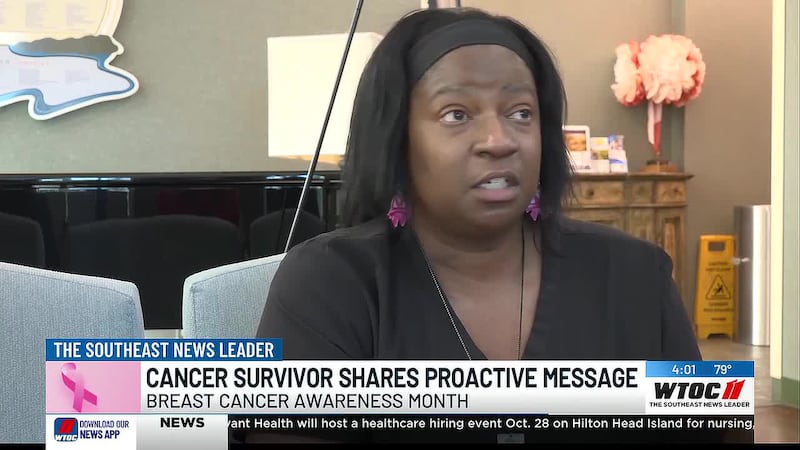
Another issue local doctors are trying to raise awareness about is breast cancer.
Breast cancer is the second leading cause of cancer deaths in women, according to the American Cancer Society.
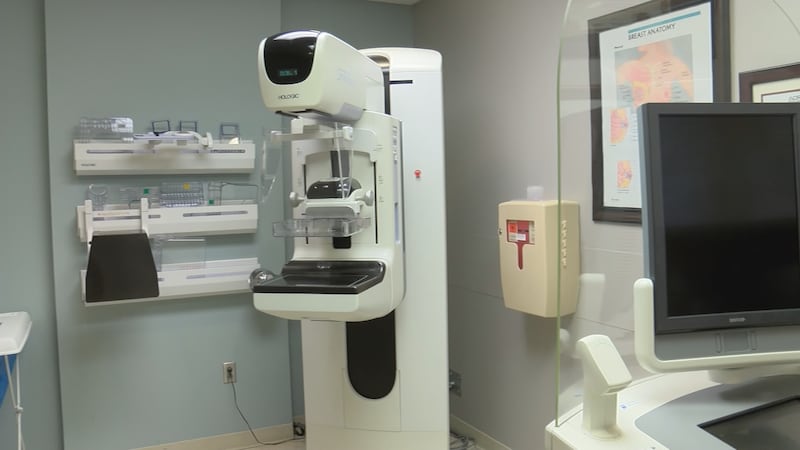
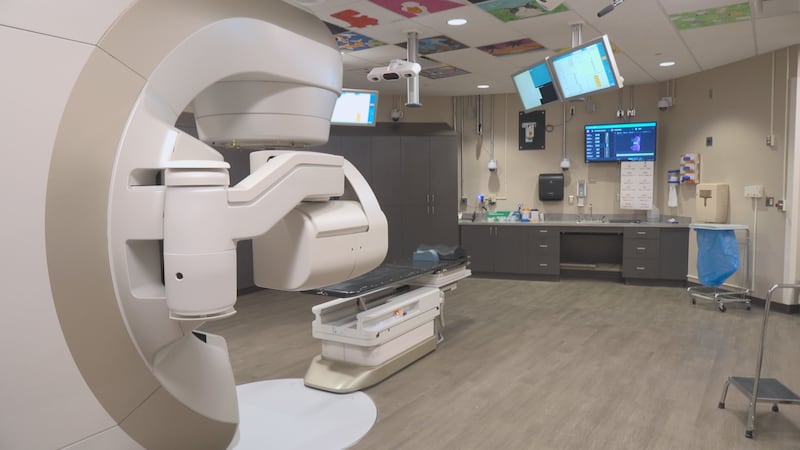
Doctors at St. Joseph’s/Candler recommend that women at average risk should start getting mammograms at 40-years-old.
Here is a look at the top 10 cancers by rates of new cancer cases according to the CDC:
Here is a look at the top 10 cancers by rates of cancer deaths, according to the CDC:
If you’re at higher risk, which could mean one of your family members had breast cancer, it’s important to get with your healthcare provider and see if you need to start getting screenings earlier.
On top of getting these preventative screenings, experts say it’s also important to perform self-exams.
“Anything that feels out of the ordinary, any sustained pain in one area, anything that feels like a lump, anything that is a difference. And, particularly if you look in the mirror and see something that wasn’t there before, like one is larger than the other or they’re asymmetrical when they weren’t before, than those would be the signs to say, ‘I need to call someone,’” said Lora Reese, Director of Performance Improvement and Diagnostic Services.
Reese says mammograms only take about a few seconds to perform, and those seconds could help save your life.
Copyright 2024 WTOC. All rights reserved.