‘Jose Ibarra went hunting for females’ | First day of Laken Riley’s murder trial concludes
Jose Ibarra is accused of killing Laken Riley in a case that made national political, social headlines.
Editor’s note: Atlanta News First is providing live coverage of the murder trial. Some details in the livestream and in this story may be graphic and could contain disturbing visuals, details and sensitive material. Viewer discretion is advised.
ATHENS, Ga. (Atlanta News First) - In a case that became a flashpoint in the nation’s debate over immigration during the 2024 election, the bench trial for the suspect in the murder of a nursing student on the University of Georgia (UGA) campus is underway.
RELATED: Live updates from court
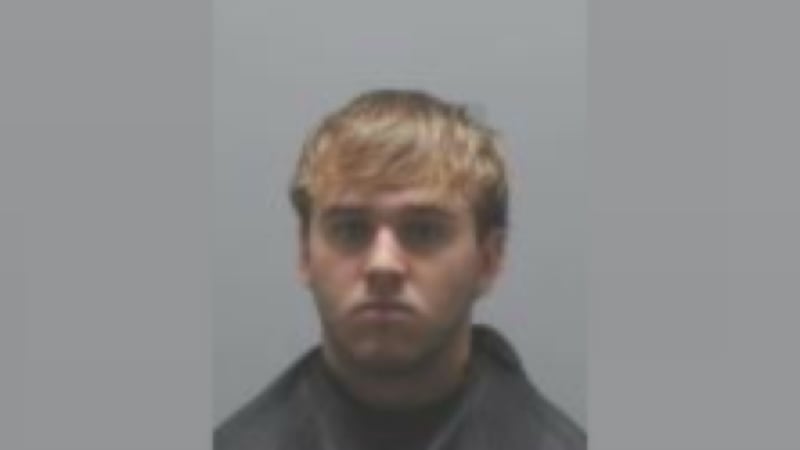
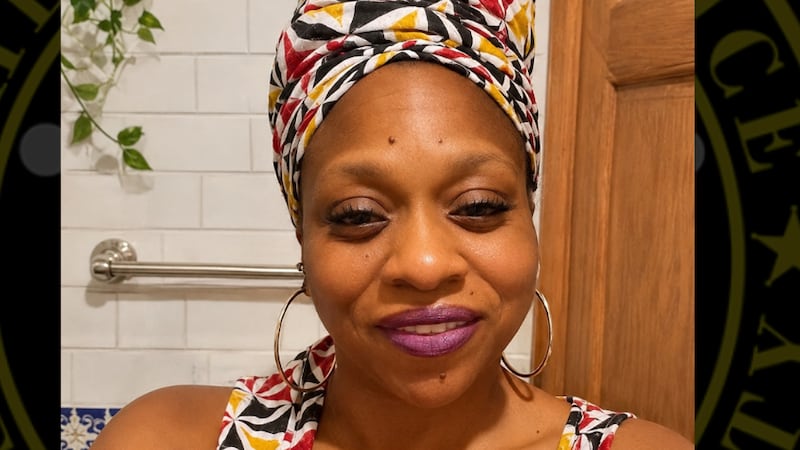
Jose Antonio Ibarra, 26, is the undocumented immigrant from Venezuela charged in the Feb. 22, 2024, death of Laken Hope Riley. The body of the 22-year-old Augusta University student was found on the UGA campus after a friend told police Riley had not returned from her morning run. After a full day of testimony on Friday, court wrapped for the day shortly before 5 p.m. Court will reconvene at 8:30 a.m. on Monday, Nov. 18.
On Friday, Sheila Ross, a veteran attorney with the Georgia Prosecuting Attorney’s Council and who was tapped by Western Circuit District Attorney Deborah Gonzalez to prosecute the case, gave a chilling account of the timeline of Riley’s initial disappearance; discovery of her body; and a subsequent trail of evidence that eventually led to Ibarra’s arrest.

“Jose Ibarra went hunting for females on the University of Georgia’s campus,” Ross said. “The evidence will show Laken fought. She fought for her life; she fought for her dignity.”
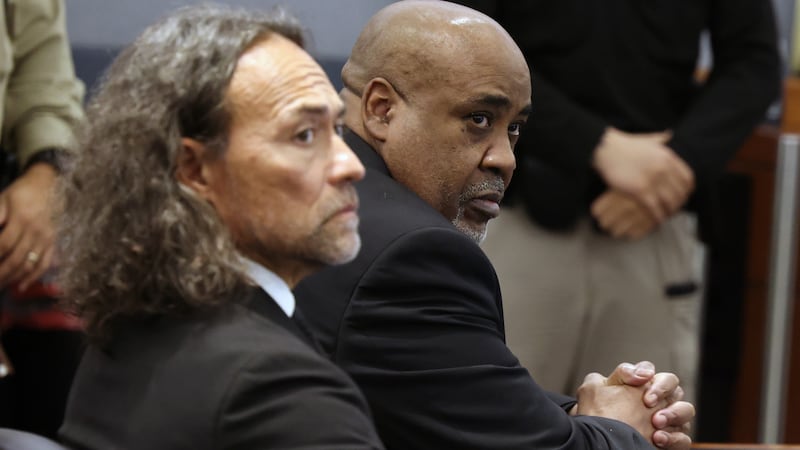
Defense attorney Dustin Kirby acknowledged evidence surrounding Riley’s death is “graphic and disturbing” and her death was “a tragedy,” and while “the evidence in this case is very good that Laken Riley was murdered, the evidence that Jose Ibarra killed Laken Riley is circumstantial.”
Ross said cell phone and camera data showed Riley left her apartment for a run around 9:03 a.m. on Feb. 22; after she didn’t return home, her roommates began searching nearby running trials around 11:30 a.m., where they discovered one of her AirPods.
Ross said Riley’s roommates then returned home to report her missing. Police began searching the running trails in the area where Riley’s phone was pinging, eventually finding her body covered up with leaves under a tree. Riley’s body was found 65 feet off a trail. Her phone was also found nearby, also covered with leaves. Police would later say Ibarra’s left thumbprint was found on the device.
Ross said data taken from Riley’s Apple Watch showed she stopped around 9:10 a.m. when she made a 911 call. That call was played in court but no dialogue can be heard; however, what sounded like a man’s voice was heard at the call’s end.
At 9:28 a.m., Apple Watch data showed Riley’s heart stopped beating.
Trail camera photos were shown in court of Riley running, as well as her phone, and photos of the woods where her body was found.
Ross also showed surveillance camera video of a man they identified as Ibarra, who was walking to a dumpster in his apartment complex, dumping a black jacket, and then dumping gloves in a nearby bush. Ross said both the jacket and gloves had Riley’s blood and DNA on them.
The prosecution’s first witness was Lily Steiner, who said she was tracking Riley’s IPhone when she hadn’t returned home and noticed the device hadn’t moved for three hours. Steiner then said she called 911 to report Riley missing; that call was played in court.
Kevin McGreevy, communications training coordinator for Athens-Clarke County Police 911, oversaw a digital enhancement of Riley’s 911 call. He said that 911 call was ended “by the caller;” when a 911 dispatcher called back, there was no answer.
Another 911 call was played from a UGA graduate school student who reported someone was trying to break into her home around 7:75 a.m., about 90 minutes before police said Riley was murdered.
Riley’s roommate, Connolly Huth, became emotional as she recalled going on runs with Riley three to six times a week. She said Riley would always listen to music or call her mother while on a run, and would always wear either an Apple Watch or a Garmin and tight clothing for compression.
Riley died of blunt force trauma in the attack; police believe there is no connection between her and Ibarra who, earlier this week, waived his right to a jury trial and agreed to a bench trial.
Sgt. Kenneth Maxwell, the Athens-Clarke County police officer who discovered Riley’s body, attempted to revive the August University nursing student, and set up a perimeter around the scene once other emergency medical service personnel arrived.
Ibarra faces charges of malice murder, felony murder, aggravated battery, aggravated assault, false imprisonment, kidnapping, hindering a 911 call and concealing the death of another. State Superior Court Judge H. Patrick Haggard is presiding over Ibarra’s trial.
Ibarra’s arrest warrants accuse him of “disfiguring” Riley’s skull by hitting her with an unidentified object. He also allegedly dragged her body to a “secluded area” to hide the death, according to the warrants.
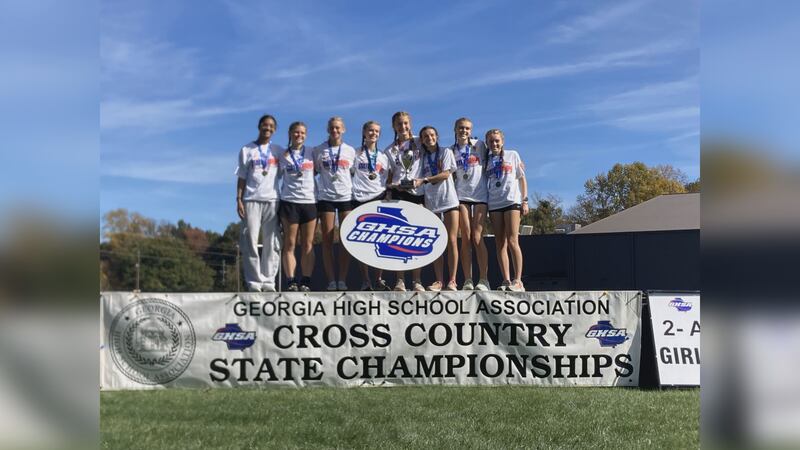
Riley grew up in Atlanta’s northern suburbs, graduated from River Ridge High School in Cherokee County where she ran on the cross-country team, and then attended the University of Georgia in Athens. She later transferred to Augusta University’s nursing college, attending classes on its Athens campus not far from the sprawling UGA campus. She remained active in the sorority she had joined at UGA.
The U.S. Department of Homeland Security confirmed Ibarra “was paroled due to detention capacity at the Central Processing Center in El Paso, TX,” and ICE officials have said Ibarra entered the U.S. illegally.
The issue of illegal immigration was a key focus in president-elect Donald Trump’s successful quest to reclaim the White House.
Atlanta News First and Atlanta News First+ provide you with the latest news and headlines regarding the University of Georgia homicide. Download our Atlanta News First app for the latest political news and information.
Copyright 2024 WANF. All rights reserved.