West Savannah residents say air quality sensors will make their concerns concrete
Two neighborhoods say next door concrete plants are creating health issues
SAVANNAH, Ga. (WTOC) - Residents of two westside Savannah communities near concrete plants say their air quality is being affected, and air quality sensors are being placed in the neighborhoods.
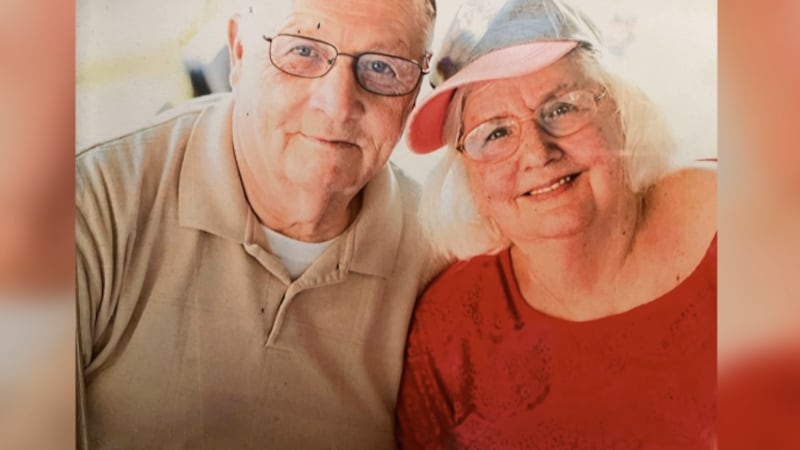
Johnny M. Law, an Ogeecheeton neighborhood resident, said she and her husband know neighbors who have dealt with lung damage. They believe it stems from the SRM Concrete Plant next door, near Tremont and Ogeechee roads.
“People are dying, people are leaving this community. It’s time, they need to move,” Law said.
Sensor placed in Ogeecheeton
Law said the city heard the residents’ concerns. Georgia Tech, MIT and the Harambee House worked together to place an air quality sensor in the neighborhood.
“We want to be treated as fairly as other communities, we don’t want to be kicked to the side,” Law said.
She believes this is a great first step to a deeper understanding of underlying health problems that may be caused by the plant.
Truck traffic in Woodville
Pamela Anderson, a Woodville neighborhood resident, said more than 100 tractor-trailers pass through her area almost every hour.
“I’ve been around it all my life,” Anderson said.
Anderson said the concern is not only the particles the trailers drop and kick up, but also where some of them are headed.
“It’s various businesses that have come and left, but the industries have left areas of health issues that we’re prone to,” Anderson said.
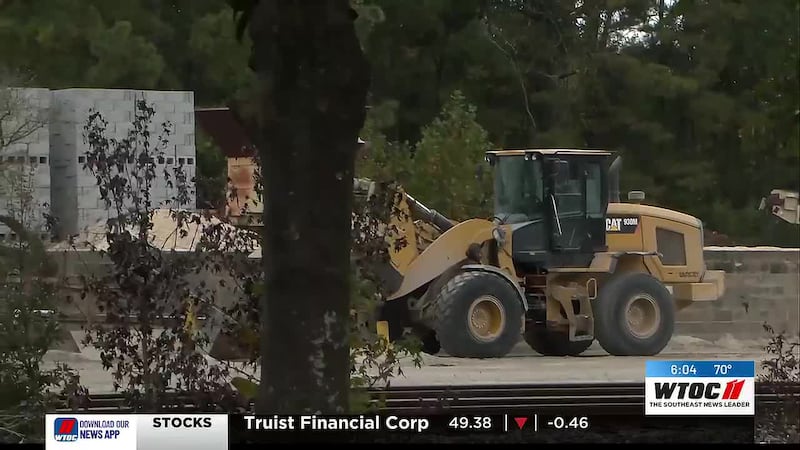
A concrete plant sits feet from the neighborhood activity sensor.
On Friday, Anderson showed Georgia Tech workers where the next air quality sensor will go, with the city’s approval.
“My take is that in the future we would like to be more engaged with the businesses that are coming to the community,” Anderson said.
EPA checks and SRM response
Dawud Shabaka, deputy director of the Harambee House, said the Environmental Protection Agency was brought in multiple times to check air quality levels. Each time, the agency said the levels did not exceed allowed limits.
“Looking at the law we see that the levels of allowed fugitive dust are just ridiculously high,” Shabaka said.
WTOC has reached out to SRM for comment.
When will residents get sensor data?
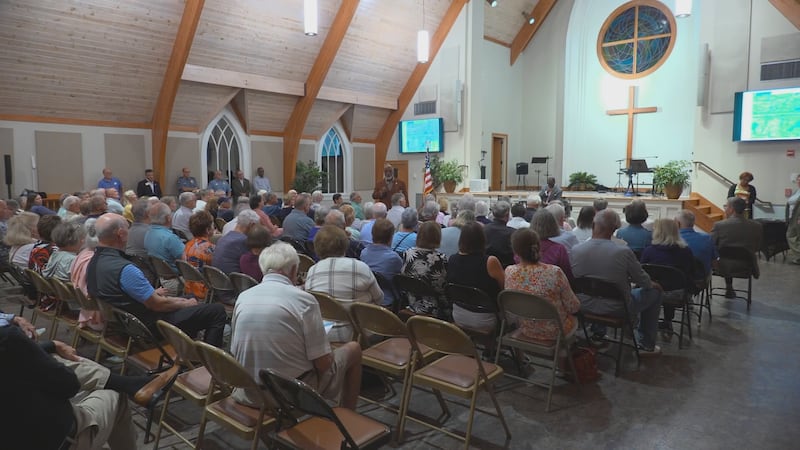
Residents said they are thankful for the air quality sensors and want a seat at the table in future development conversations.
Sensor data is being processed at MIT and will be given back to the Harambee House and local residents. No exact date has been set for its release.
Copyright 2026 WTOC. All rights reserved.