This woman helps cemetery visitors talk openly about death
Professional aims to make discussing end-of-life topics easier through ‘death positivity’
WASHINGTON (Aging Untold) — A historic cemetery in the nation’s capital has hired a death doula to help visitors have healthy conversations about mortality in what might be a first for such institutions.
An end-of-life doula, or death doula, is a person who offers services for end-of-life care, from planning final moments to providing respite for exhausted caregivers.
Promoting “death positivity”
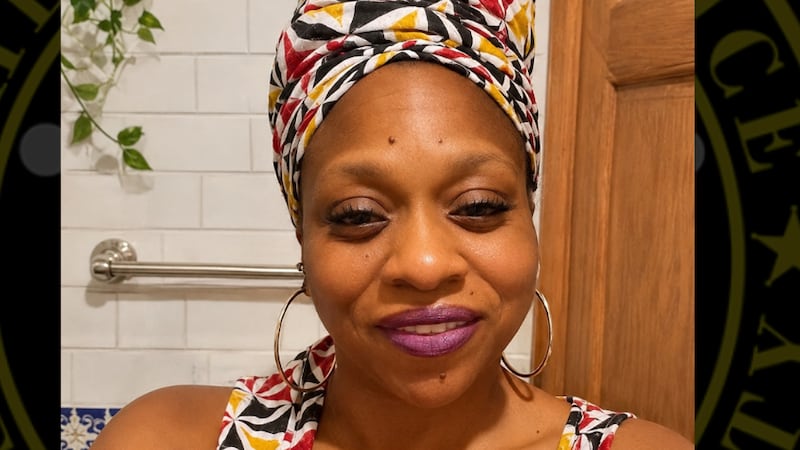
Laura Lyster-Mensh, the death doula at Historic Congressional Cemetery, a national landmark in the heart of Washington, D.C., said her role focuses on promoting what she calls “death positivity.”
“The greatest thing that I can do here at the cemetery is promote death positivity and I walk around with people in the cemetery, and we just talk openly about death — unafraid, curious, sometimes awkward,” Lyster-Mensh said.
She acknowledged the concept might seem insensitive to those who are grieving.
“I think at first, to hear death positivity could seem even disrespectful,” she said. “I actually think that death positivity is about living better. Because what are we afraid of? When we turn that and we look at it as boundaries on our life that make life precious, we can feel better.”
Death cafes and conversation cards
Lyster-Mensh conducts her work through various methods, including regular events, including “death cafes.” She sets out tea, cookies and a deck of cards called “the death deck,” which is designed to start conversations about mortality.
“At first people will say, ‘Death, oh, I don’t want to do that.’ But you pull out one of these cards and you start talking and you learn things about the people that you care about and you start real conversations,” she said.
She said these conversations are often uncomfortable for people to initiate until it’s time or too late.
When asked for advice about living, Lyster-Mensh said people should slow down.
“I think we try to speed through everything. We try to speed through grief. We try to speed through happy moments, we hoard it. But you can’t really be present if you’re hoarding it,” she said.
Copyright 2026 Gray Media Group, Inc. All Rights Reserved.