Local seafood farmers plead for Georgia Governor’s help amid dumping issues and regulations
SAVANNAH, Ga. (WTOC) - A lack of dock availability, lost wages, and foreign imported shrimp, all issues facing local seafood farmers.
Everything from gas prices to permit issues, WTOC has kept you informed on how the industry is changing.
Now many local seafood farmers we spoke with say they’re being forced to sell their boats and get out of the industry entirely.
Restrictions and permits are also influencing the industry heavily in Georgia.
“None of these restaurants around here sell fresh local shrimp. They do not, it’s all imported. Everything’s imported,” said Commercial fisherman and veteran, John C. Hope. “It hurts my heart. But what are you gonna do? You either get out of the business or not. I’m so deep in debt right now it’s unreal. More than likely, I’m fixing to have to take my shrimping boat out there and anchor it up and live on it, if I can’t sell it.”
“I spent 15 years running shrimp boats, so I know what it’s like. But, unfortunately, I don’t see it getting much better anytime soon because a lot of the imported shrimp and farmed shrimp, foreign countries have learned how to produce farmed shrimp really inexpensively. A lot of people don’t, can’t differentiate,” said Charlie Phillips the Owner of Phillips Seafood and Sapelo Sea Farms.
“A lot of the local shrimp growers actually have gone to trying to retail their own shrimp or sell their own shrimp straight to the restaurants. It’s been really tough on a lot of them,” added Phillips.
He said shrimp dumping is dominating the industry and putting local farmers out of work.
“It’s always better to buy local seafood. You’re going to get a better quality. I would say you’re going to get a safer product. Maybe the stuff from Taiwan is perfectly fine,” said Phillips. “I would much rather have our shrimp that don’t have antibiotics and hormones, and stuff added versus something from another country. We’ve got a really, really special environment here with our 30% of all the marsh on the East Coast, and we’ve got really clean water too for it,”
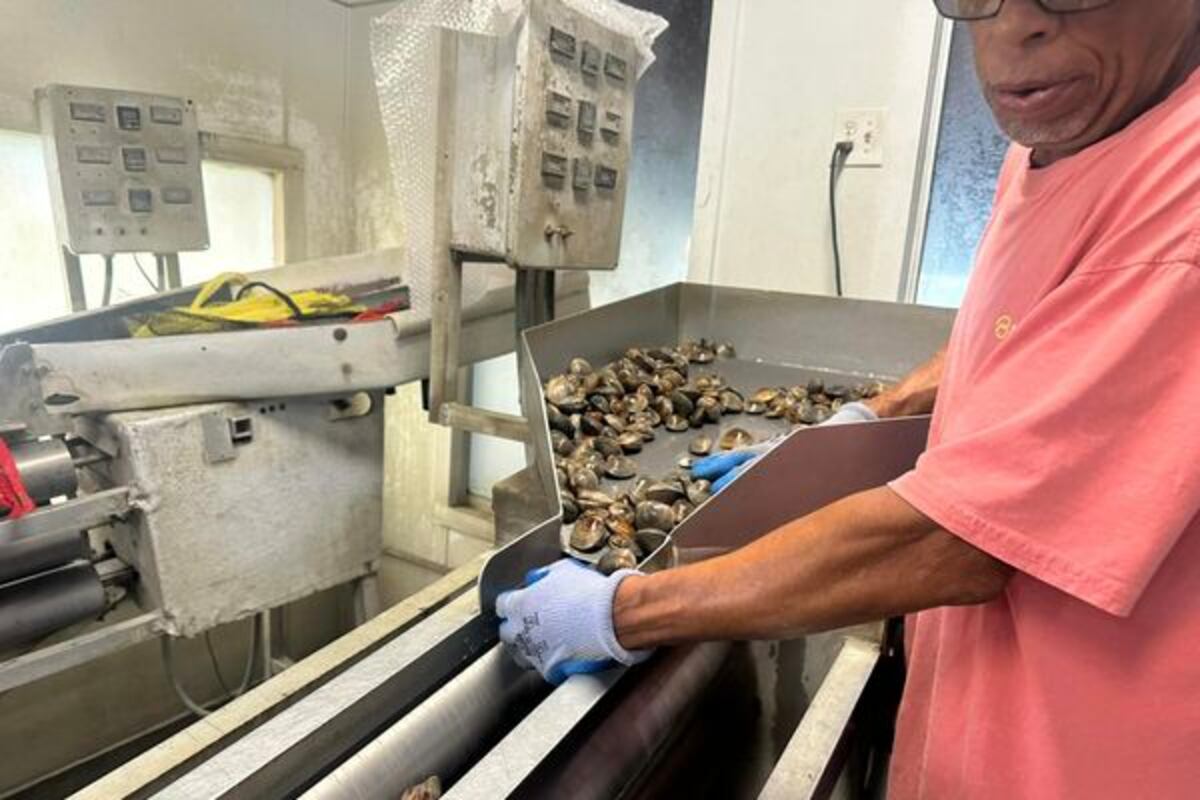
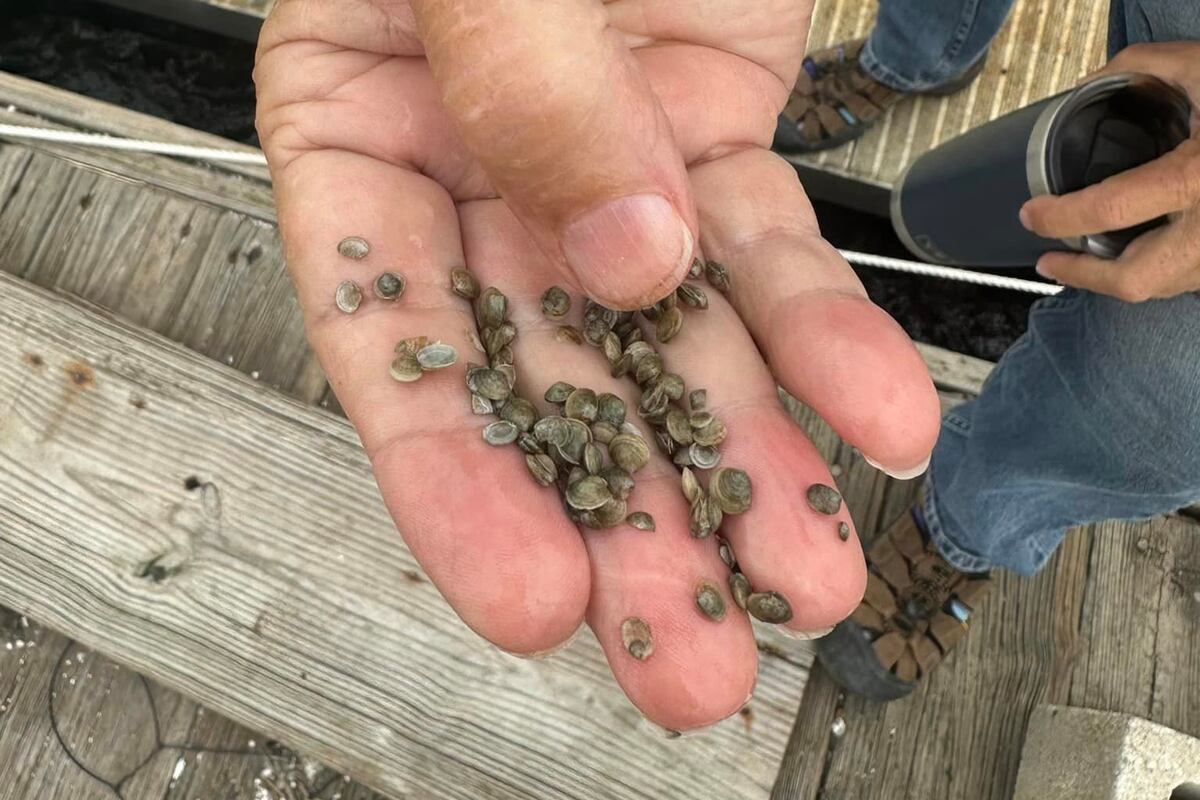
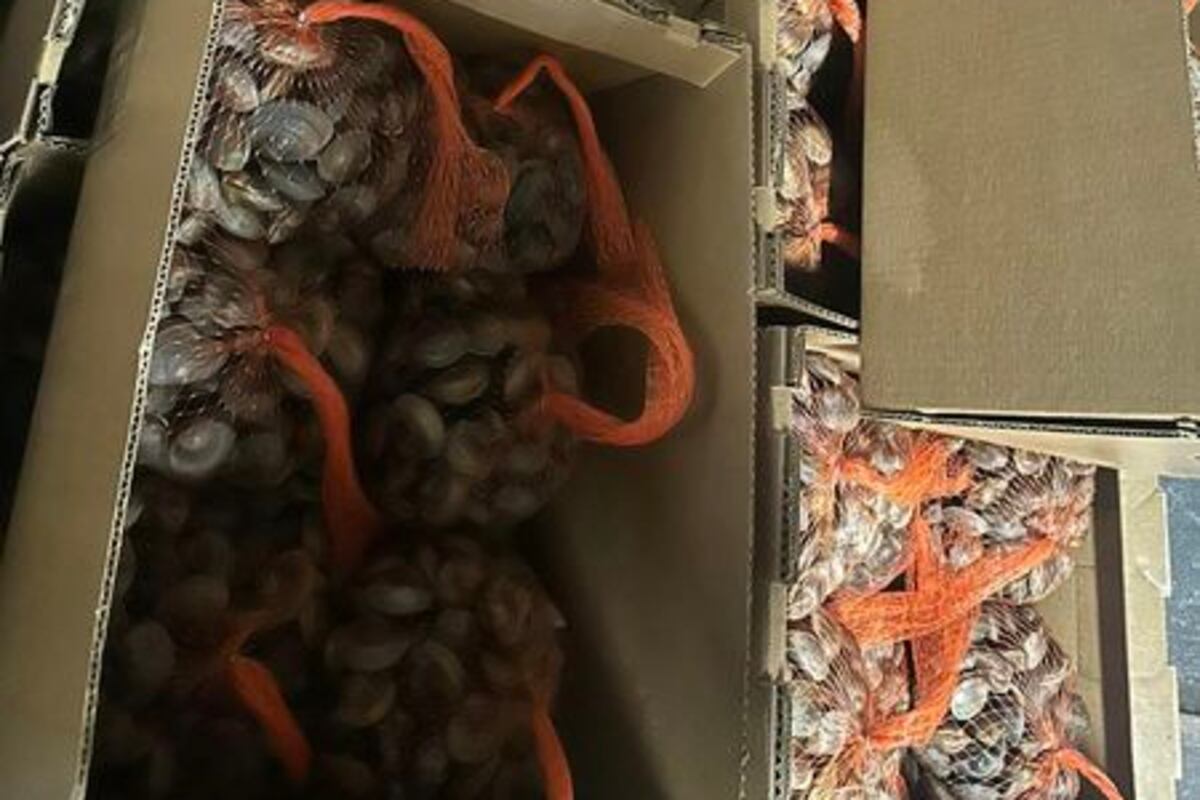
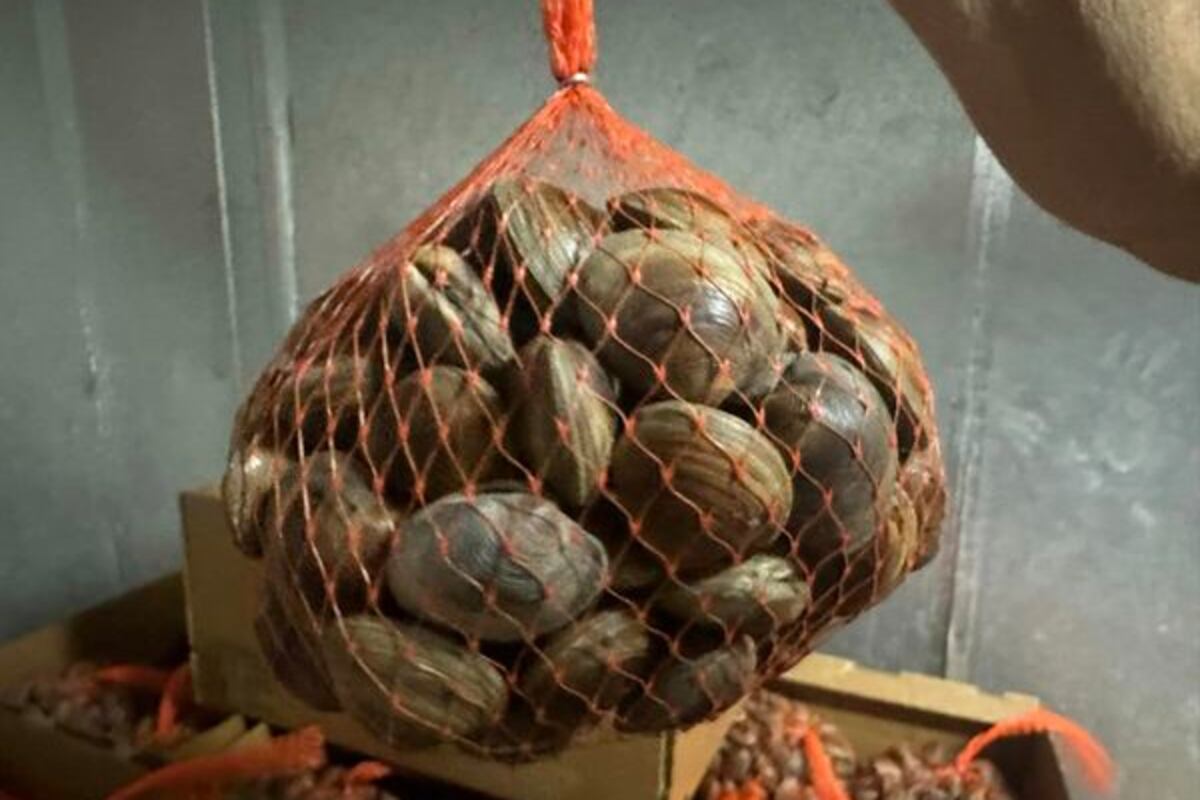
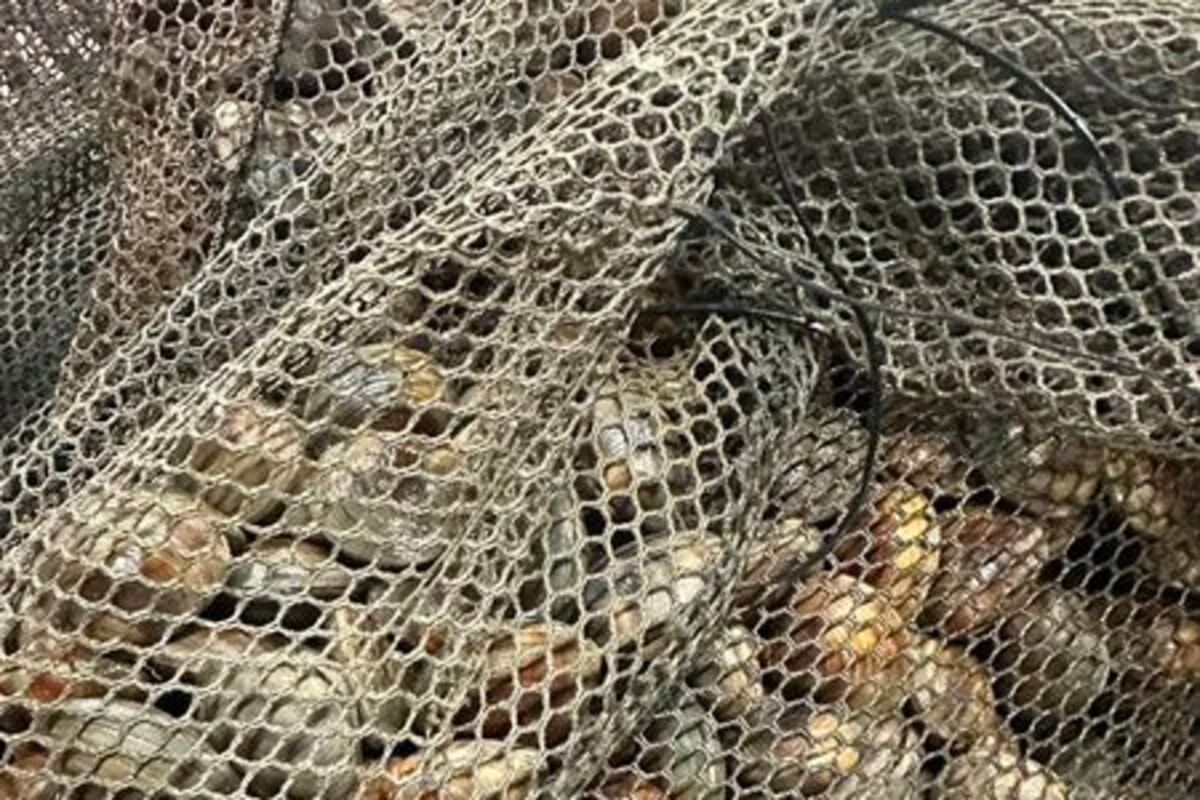
Phillips operates the largest clam farm on the East Coast, south of Virginia.
He recently got his oyster permit after waiting two years. He said waiting on the Corp of Engineers has been a nightmare.
“If somebody told me they wanted to come to Georgia and they were going to start a business, but they needed to get permits from the Corps of Engineers to do it, I’d tell them to go to another state,” said Phillips.
John Hope has been a commercial fisherman since he was 13-years-old.
“When I started, I worked out of William Brandon Seafood it’s gone. Gore’s Seafood’s gone. Hunter Forsyth’s’ dock is gone. Brandon Dock over there by Pelican Point is gone,” said Hope.
He said he’s financially being forced out of the industry.
“We just borrowed almost $60,000 to fix this boat. We got two brand new Billy Burbank’s and four good nets; they’ve never even been in the water. Because we can’t buy ice, we can’t buy fuel. And nobody will buy the shrimp. And there are no docks to go to, so it’s a waste of time and money anymore,” said Hope.
He reiterates that shrimp dumping is killing the local industry, and putting many out of work.
“We got to slow the imports down for us Americans to go back to work and supply seafood to the country,” said Hope. “The imports are what’s killed the industry. So basically, here we are sitting with a boat that we’re not able even to work anymore. And I’m trying to sell it to get out of the business because the business has gone downhill so bad that, and the government’s not helping us. What are the people supposed to do when there’s no work? If you’ve been a commercial fisherman most of your life, how are you going to have to take on a new occupation?”
Both Hope and Phillips are asking lawmakers for major help before the industry goes under entirely.
“South Carolina right now catches more shrimp than the state of Georgia. Because their sounds are open. They shut our sounds down in Georgia,” said Hope. “Brian Kemp needs to look and see what’s going on with the fishing industry. Not just slap ‘em & give them a little tack and let them go, actually help the people,” said Hope.
“People like me that do clams and oysters, we just like cleaner and simpler regulations, streamlined permits,” said Phillips. “If they can streamline some regulations, it would help. Like I said, I don’t know that anybody can get the Corps to change. I talked to Senator Ossoff’s office yesterday about this issues,” said Phillips.
They both say buying local is what’s key to keeping local seafood farmers in business.
Copyright 2024 WTOC. All rights reserved.