They came undecided. Did the Jackson-Bottoms debate change their minds?
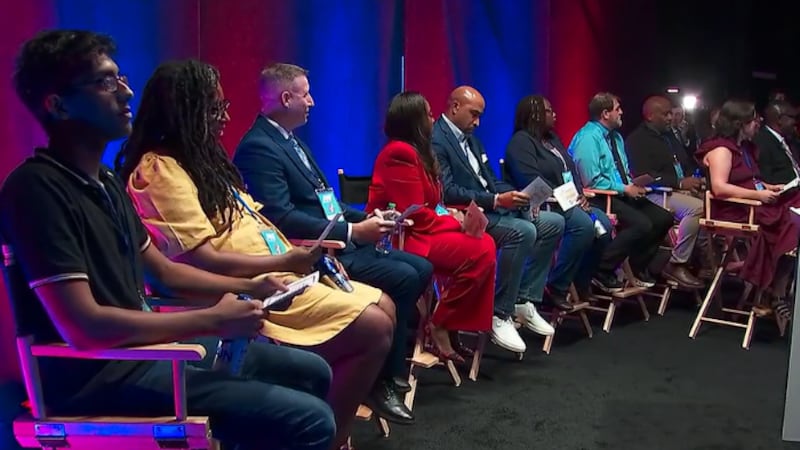
ATLANTA, Ga. (Atlanta News First) — They came to Doraville with questions for the two people who could become Georgia’s next governor.
They were not campaign surrogates or party activists. They were undecided voters who applied to participate in Atlanta News First’s town hall, went through a vetting process, and were given the chance to question Republican Rick Jackson and Democrat Keisha Lance Bottoms directly.
After the debate, their reactions were anything but unanimous.
Some said they finally heard the details they had been waiting for. Others said the candidates still left them wanting more.
For Emma Jacobstein, the debate did little to resolve the question she brought into the room.
Jacobstein asked about Flock cameras and due process. She said afterward that neither candidate actually answered what she was asking.
“I think it was very surface level,” Jacobstein said. “I think it was pretty obvious that I was seeking legislative precedent from a due process angle, and I got the same generic Flock answer we’ve been getting from both of them.”
She said she still needed time to decide how she would vote.
“I honestly need to sleep on it,” Jacobstein said.
Still, she thought Bottoms performed better during the debate, saying the former Atlanta mayor was more effective at answering the questions.
“I believe that she won that debate,” Jacobstein said. “I do not know how that is going to translate to my vote yet.”
PREVIOUS COVERAGE: Watch Georgia governor debate on Atlanta News First
Dr. Natasha Hampton came into the debate focused on how state-level economic development decisions affect local communities and the infrastructure costs local governments can ultimately carry.
Before the debate, Hampton said she wanted candidates to explain how those investments affect residents, particularly in underserved communities.
“More importantly, though, we got to hear plans and how those plans would be implemented,” Hampton said. “And that’s what I came for. That’s what I wanted to hear.”
Hampton said the experience gave her a better understanding of both candidates and left her leaning toward one of them, although she said she still wanted to do more research before making a final decision.
“I think I may have an idea of who I would lean towards,” Hampton said.
She declined to say which candidate she favored.
Hampton said the debate gave voters information they could use as they decide who to support.
“I think Georgians have a lot of information from coming out of tonight’s debate,” Hampton said. “I think there’s a lot to take away and a lot of things that can help those that are undecided.”
PREVIOUS COVERAGE: Voters ask, candidates answer: What to know about the governor’s town hall debate
For Sargent Nelson, a pastor from the Augusta area, who asked about rural Georgia, the answers fell short.
Nelson said candidates repeated the language from the question but did not address the underlying problems facing rural communities.
“Did they answer the question for rural Georgia? I would say they did not,” Nelson said.
Nelson pointed to hospitals disappearing, increasing food deserts and declining wages.
“We’re looking for answers. Tonight, I don’t think we got that,” Nelson said.
His frustration centered on the difference between broad policy proposals and the everyday financial pressures facing Georgia families. Nelson drove to Atlanta to participate but left feeling little had changed.
“I drove to be here. I don’t think I’m leaving with no more than I got when I got here,” Nelson said.
PREVIOUS COVERAGE: 60 minutes to win Georgia: What to watch for in the Jackson-Bottoms debate
Sylvester Mack III came into the debate wanting specifics on education, funding and teacher retention.
Before the debate, Mack said broad promises without an explanation of how they would be funded or implemented were a major concern.
After hearing the candidates, he said he still wanted more.
“Not enough,” Mack said when asked whether he heard the answers he needed.
Mack said he was particularly frustrated that candidates discussed technical schools and other education initiatives without explaining how they would be funded.
“To hear us throw technical schools at it without a funding strategy, it’s just more platitudes and more lip service,” Mack said.
He said he did appreciate that Bottoms provided some additional detail, but he felt both candidates sidestepped his central question: How would they pay for their proposals?
“I said specifically, ‘Be specific: What three things would you do and how would you fund it?’” Mack said.
Mack said he is probably leaning toward Bottoms after the debate but is not ready to make a final decision.
“Because I got less than I was hoping to get, I’m probably leaning more toward Keisha right now,” Mack said. “But when I leave here today, I can’t honestly say that I’m done with that.”
John Richardson, a Gwinnett County participant, said he was trying to give both candidates some grace because their answers were limited in length.
Still, he came away with an impression of how the candidates handled the questions.
“I felt Keisha was kind of pretty much on her game,” Richardson said. “I thought she was answering questions, kind of was trying to be as specific as possible.”
Richardson said he thought Jackson provided some specifics as well, but he felt Bottoms was more prepared to take advantage of opportunities to answer.
Richardson said he was particularly interested in questions involving civil liberties and housing, and he did not feel the debate provided all the specifics he wanted.
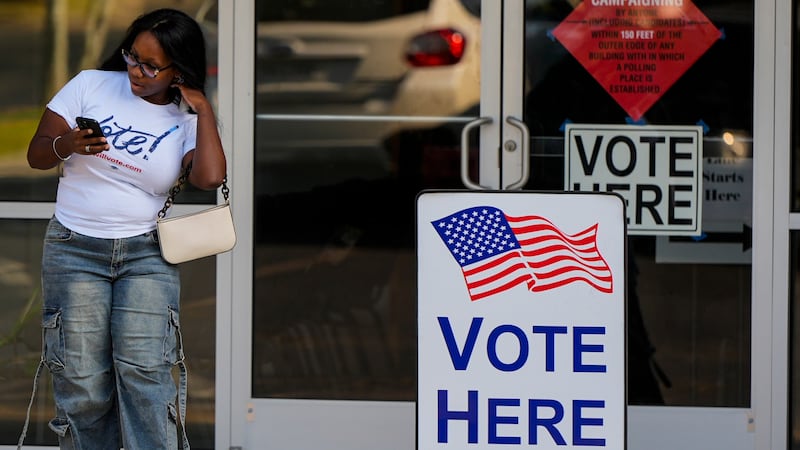
Early voting begins Oct. 13. Election Day is Nov. 3.
PREVIOUS COVERAGE:
Jackson vs. Bottoms: Two vastly different paths to the debate stage
One hour to decide Georgia? Governor’s race debate could help settle election
Copyright 2026 WANF. All rights reserved.